



Output Management System: Enterprise Guide
What is an Output Management System?
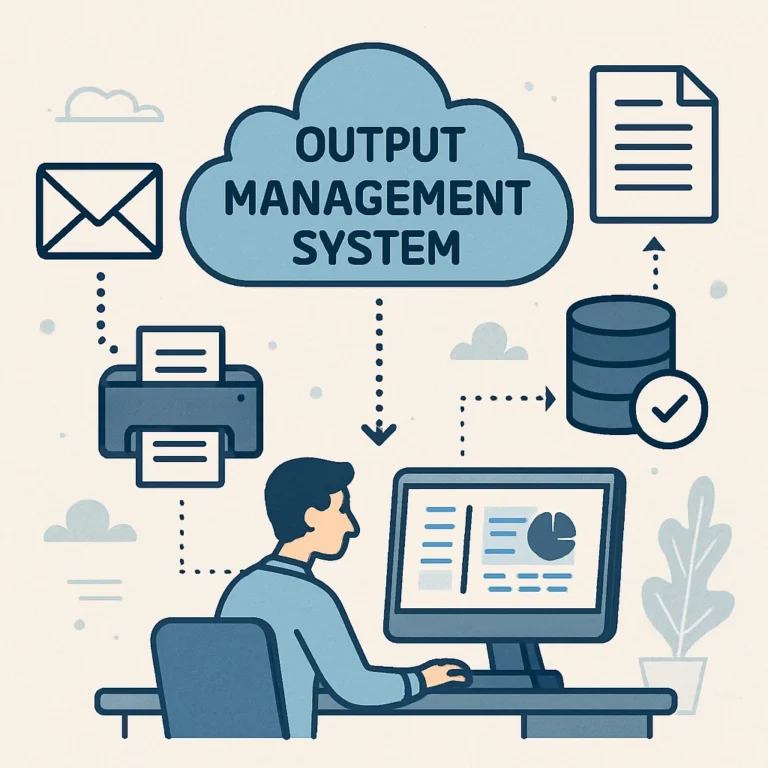
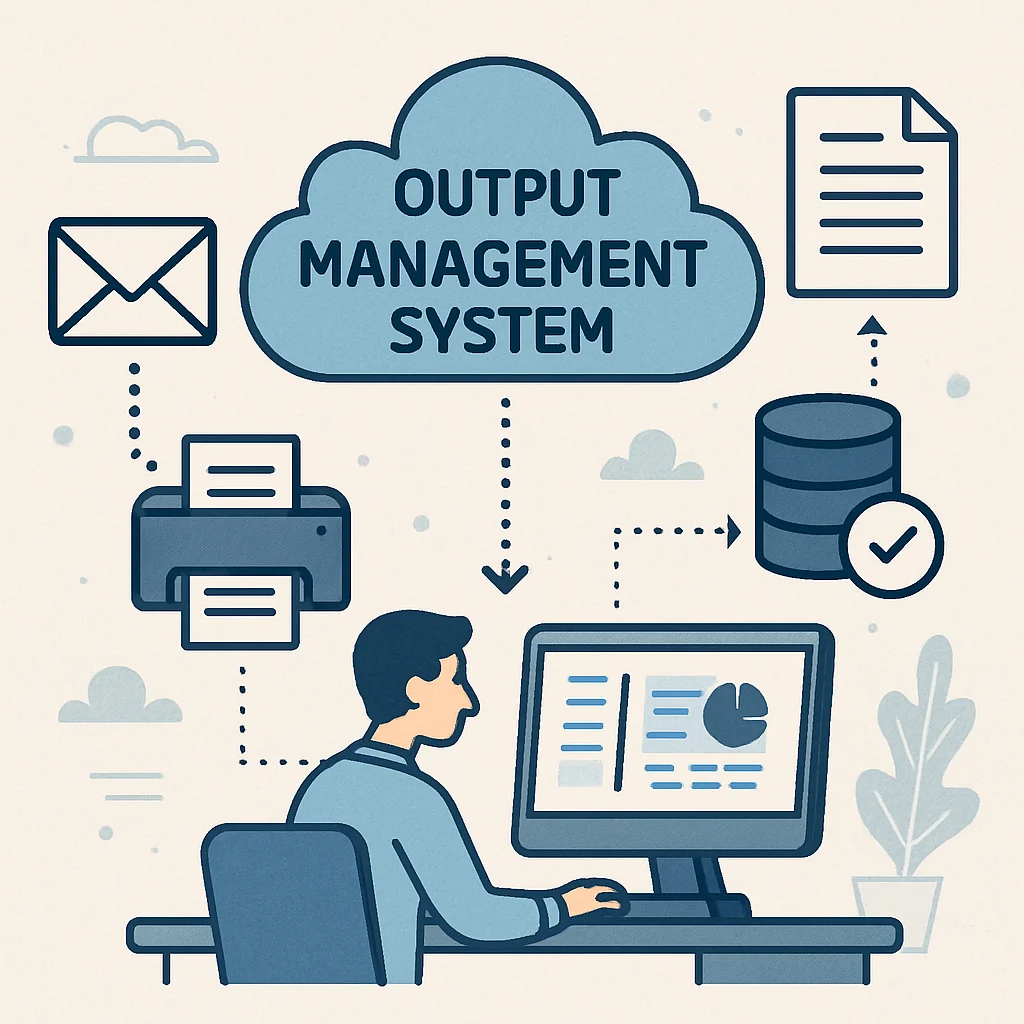
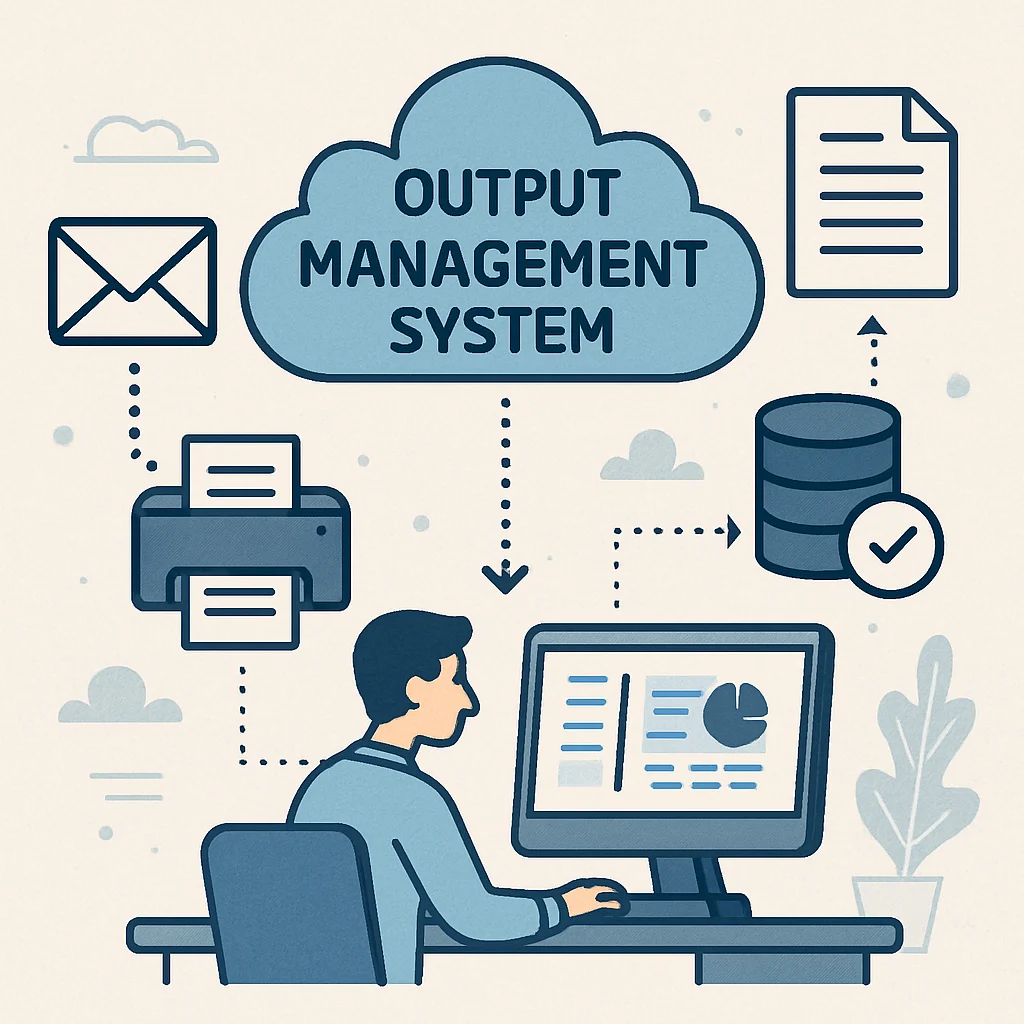
An Output Management System (OMS) plays a crucial role in document handling within enterprises. It centralizes the distribution of documents, making processes more efficient and eliminating manual tasks.
Key features of an Output Management System include:
- Centralized document distribution
- Automation of document handling
- Support for multiple document formats
- Integration with enterprise systems

The Role of Output Management in Enterprise Document Workflow
Output Management Systems streamline processes by automating document routing and distribution. Employees can focus on strategic tasks instead of repetitive document handling.
- Accelerated document processing
- Enhanced inter-departmental communication
- Reduced manual tasks
- Improved service efficiency
Key Features of Modern Output Management Systems
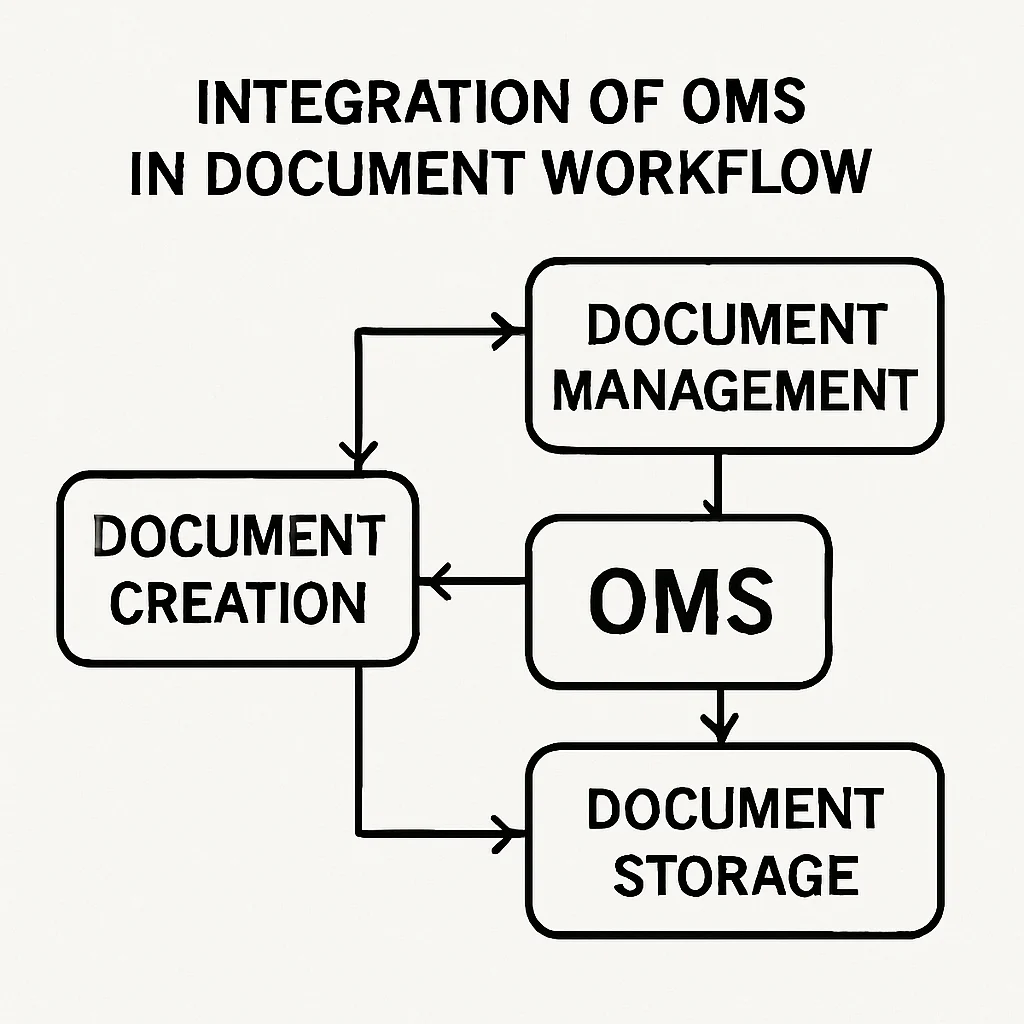
Modern OMS solutions offer multi-channel support, connecting with ERP, CRM, and ECM systems. Essential features include multi-channel distribution, seamless integration, advanced security, and comprehensive analytics.
Benefits of Implementing an Output Management System
Implementing an OMS significantly reduces manual document management time, improves security with encryption and access controls, and ensures compliance with industry regulations.
- Time and cost savings
- Enhanced security and compliance
- Improved operational efficiency
- Scalability for growing businesses
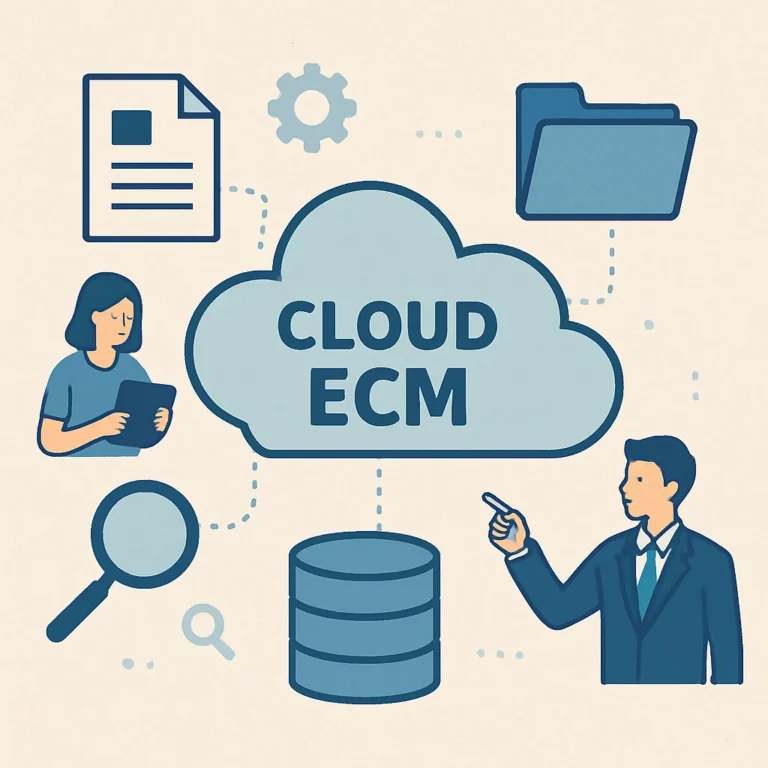
Integration with Enterprise Systems (ERP, CRM, ECM)
Effective integration with ERP, CRM, and ECM systems ensures data flows smoothly across platforms, streamlining workflows and improving data accuracy.
Industry Use Cases for Output Management Systems
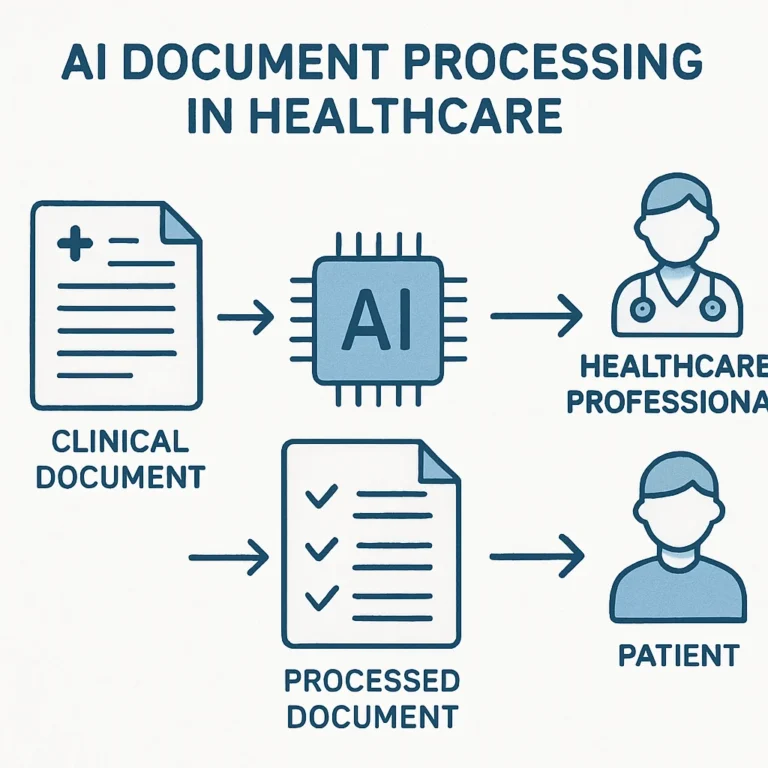
- Healthcare: Patient records and compliance management
- Finance: Secure client communications and audit trails
- Manufacturing: Supply chain document optimization
Best Practices for Successful OMS Implementation
Start with a thorough needs assessment, involve stakeholders from all departments, and plan for integration with existing systems before deploying your output management solution.
Future Trends in Enterprise Output Management
Cloud-based OMS solutions, AI-enhanced analytics, and IoT integration are driving the next generation of enterprise output management platforms.
Conclusion
Investing in an Output Management System revolutionizes document workflows, reduces costs, and ensures long-term operational efficiency in the digital enterprise.
Next steps: Extend this with document and content management, cloud architecture and scalability, and pricing.