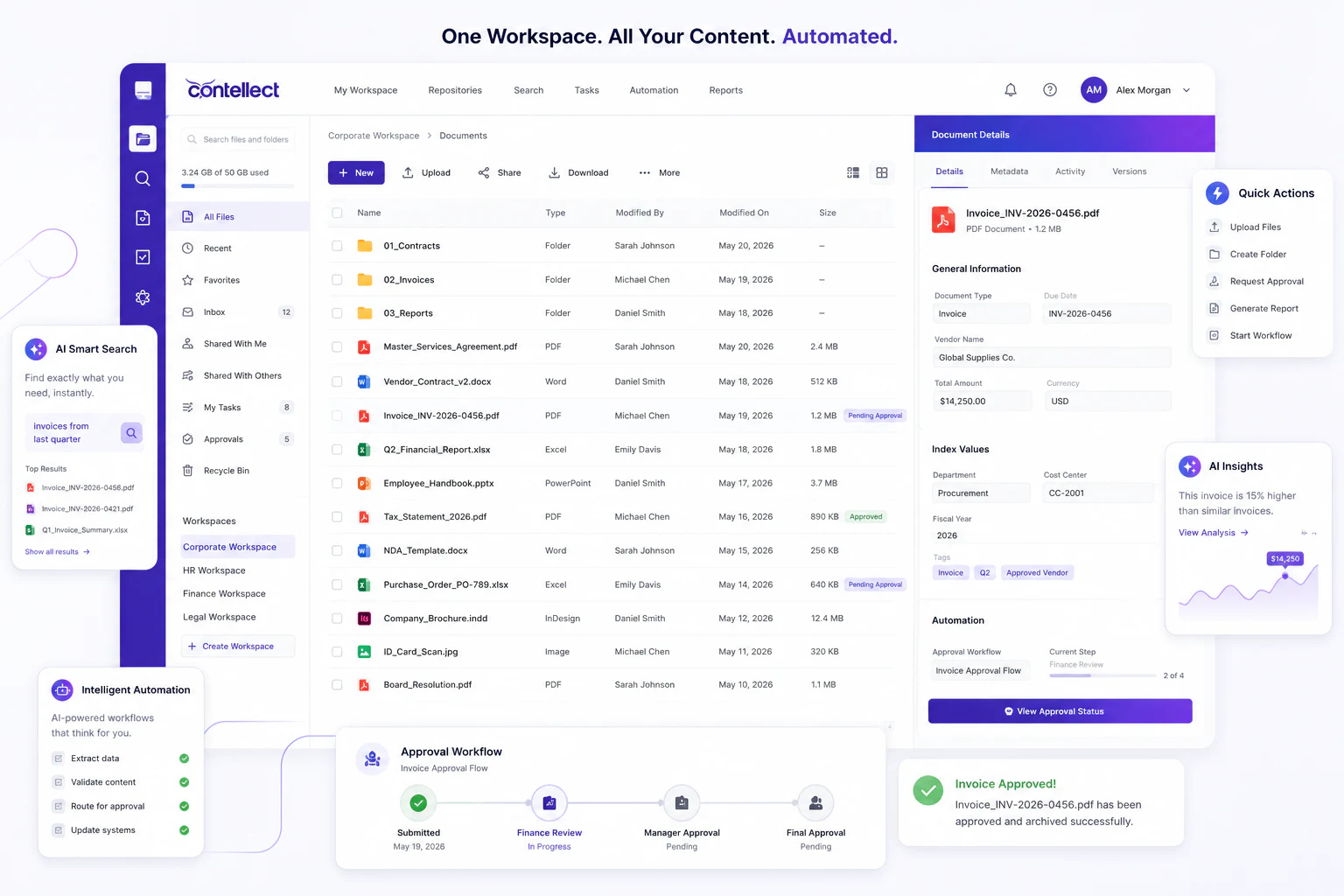
What Is Intelligent Data Capture?
What intelligent data capture is, and how AI-driven automation replaces manual data entry across high-volume enterprise document workflows.
Chapter 1: Understanding the Basics
What is Intelligent Data Capture?
Intelligent data capture (IDC) is an advanced technology that uses artificial intelligence (AI), machine learning (ML), and natural language processing (NLP) to automatically identify, extract, and structure data from various document types.
Unlike traditional solutions that simply convert document images into raw text, IDC systems “understand” context. They distinguish between an invoice total and a phone number, even when document formats vary significantly.
The Evolution of Data Automation Tools
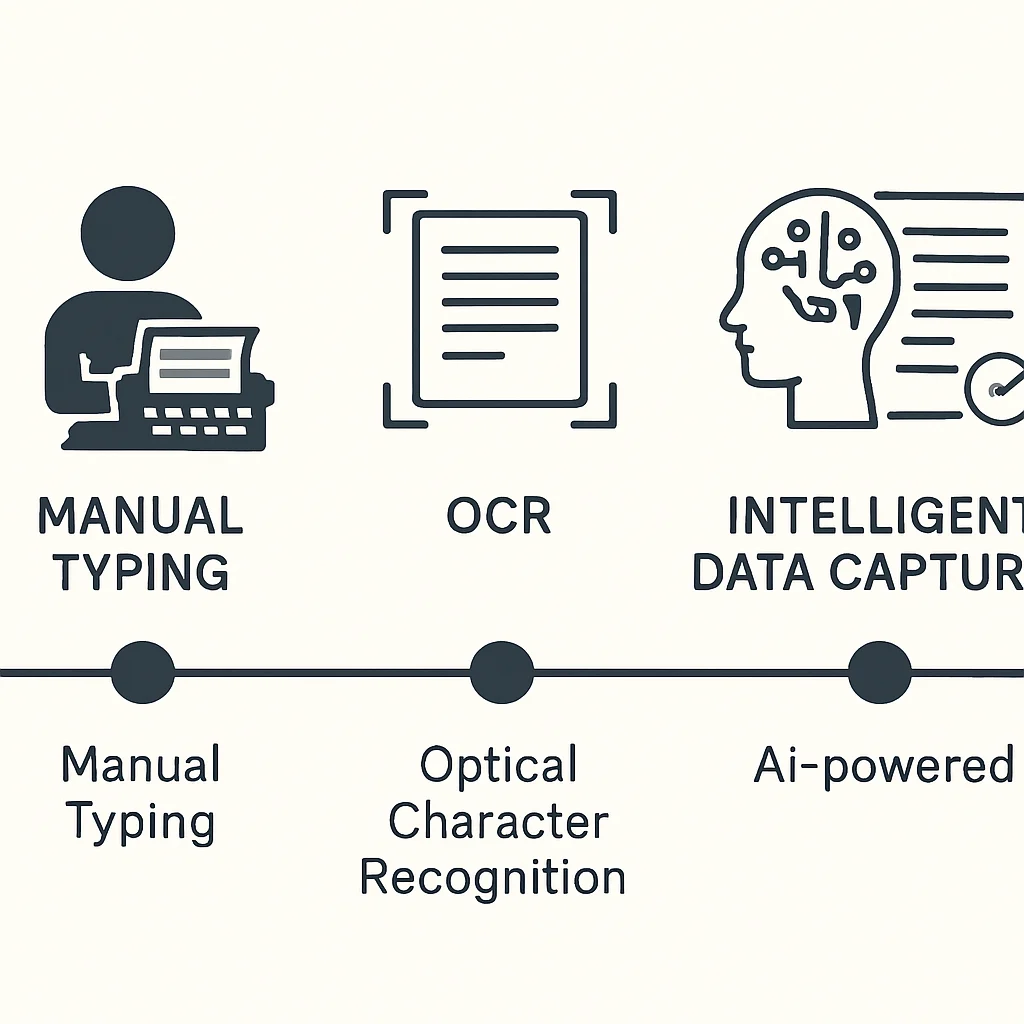
The journey has involved three phases:
- Manual Data Entry: Humans physically reading documents and typing information into databases-slow, expensive, and error-prone.
- Traditional OCR: Software recognizing text characters in images. While faster than manual entry, it relies on rigid templates that break when document layouts change.
- Intelligent Data Capture: The modern standard combining OCR with AI, learning and adapting without requiring rigid templates.

Chapter 2: The Core Technology Explained
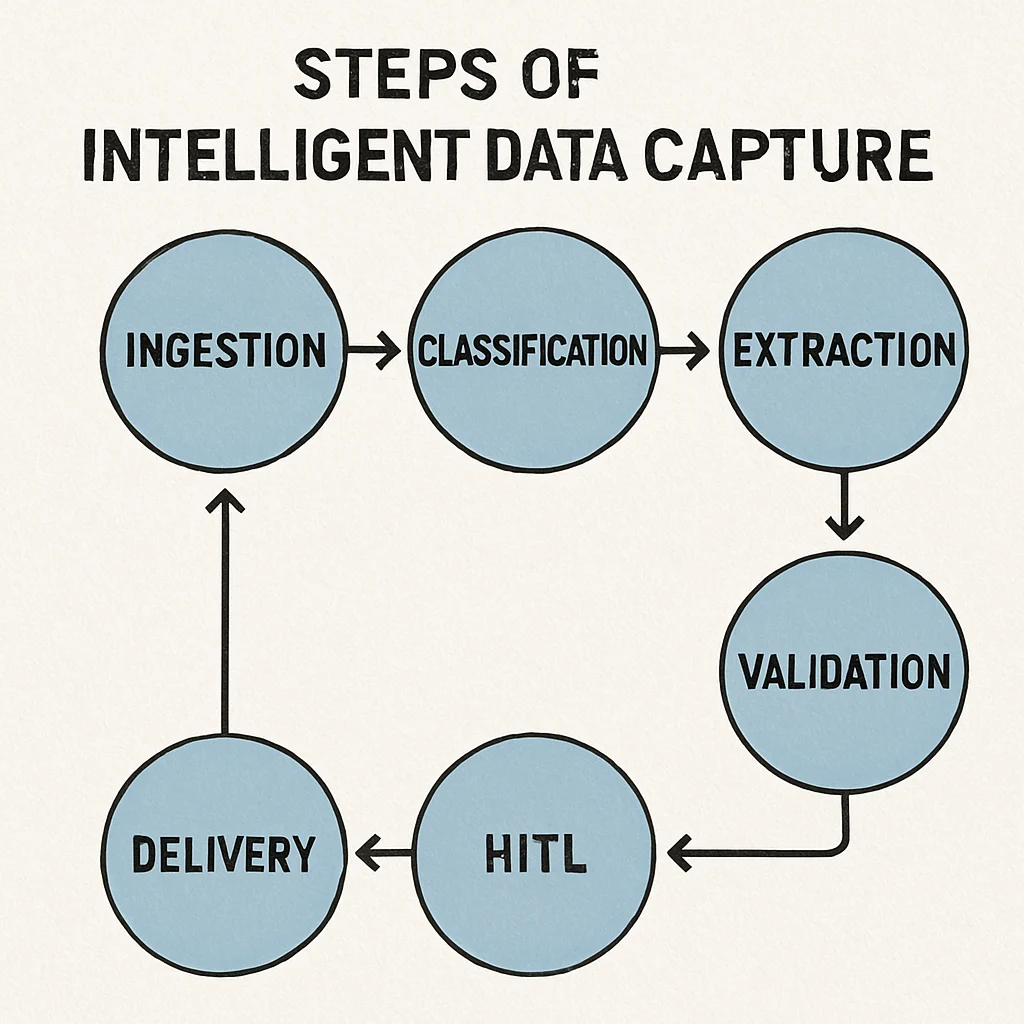
Step 1: Multi-Channel Ingestion
Documents arrive through countless channels: email inboxes, FTP servers, web portals, and mobile app uploads. Intelligent systems automatically monitor these channels and ingest documents upon arrival, eliminating manual file routing.
Step 2: Document Classification and Routing
The system determines document type-purchase order, tax form, complaint letter-using machine learning for document classification. AI analyzes structure, keywords, and layout to categorize instantly. The system continuously improves as human operators correct occasional misclassifications.
Step 3: Contextual Data Extraction
After classification, the system extracts targeted information. Natural language processing in document capture enables the software to read unstructured text and extract specific entities like names, dates, clauses, and financial figures.
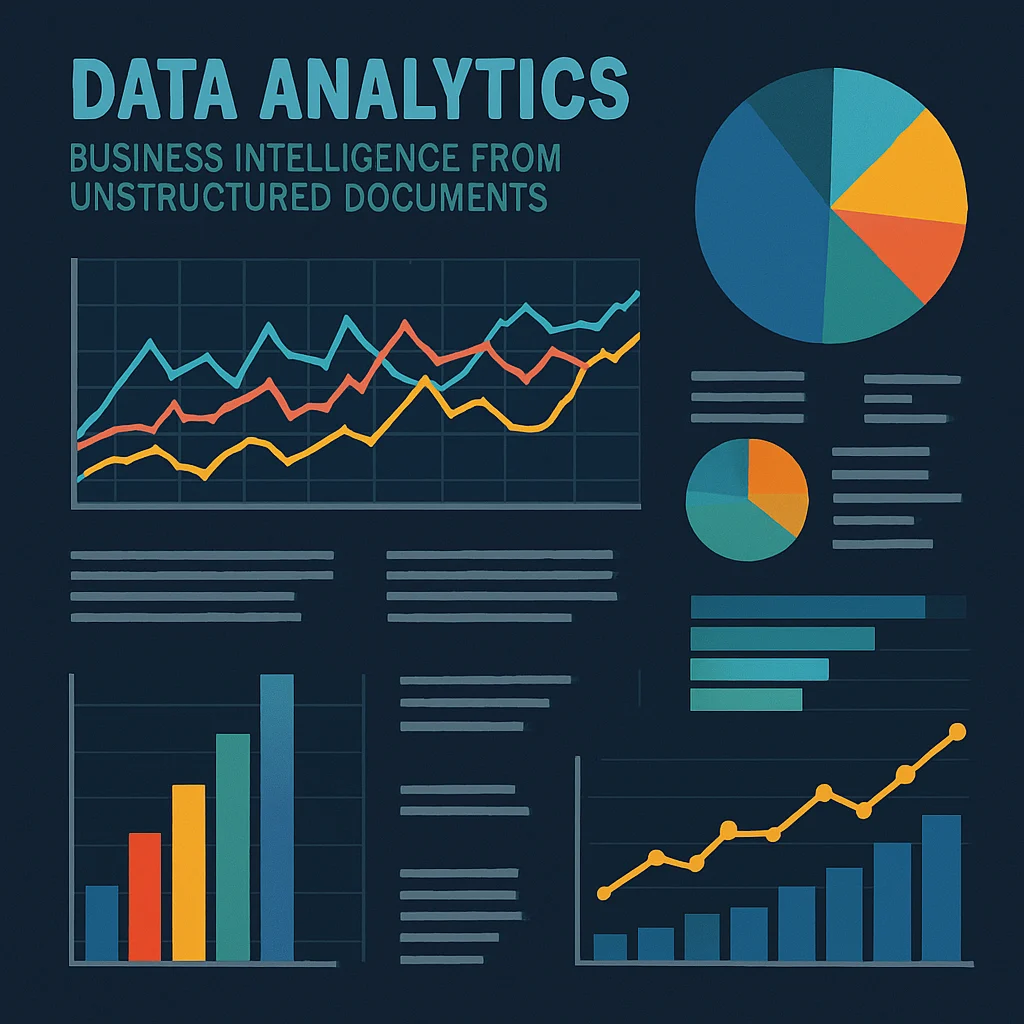
This supports processing unstructured data for business intelligence. Legal teams can use NLP to automatically extract non-compete clauses from hundreds of employment contracts, transforming raw text into a structured, analyzable database.
Step 4: Data Validation and Enrichment
Extraction must be accurate. The software cross-references extracted data against existing enterprise databases. If a vendor name and purchase order number are extracted from an invoice, the system verifies the PO number belongs to that vendor.
Step 5: Human-in-the-Loop (Exception Handling)
Highly degraded documents or data failing validation are flagged for human review. This “Human-in-the-Loop” approach ensures 100% data accuracy while focusing human effort only on exceptions.
Step 6: Seamless System Delivery
Validated data is formatted and pushed into downstream systems-ERPs, CRMs, or business intelligence dashboards-ready for immediate use.
Chapter 3: Intelligent Document Processing vs OCR
Understanding the difference between IDC and traditional OCR is crucial for enterprise modernization.
Traditional OCR: The Blind Reader
Standard Optical Character Recognition translates pixelated images into digital text characters.
- Strengths: Excellent for converting scanned books into searchable PDFs.
- Weaknesses: Cannot distinguish between dates of birth and invoice due dates. Relies on Zonal OCR (template boxes). Extraction fails when document layouts change.
IDP / IDC: The Cognitive Reader
Intelligent Document Processing uses OCR as a foundational step. Once text is digitized, AI takes over.
- Contextual Awareness: Understands what text means.
- Template-Free: Does not require boxes or rules for every vendor layout.
- Adaptability: Processes highly unstructured documents like emails or contracts.
The Enterprise Takeaway: Legacy OCR forces IT teams to spend hundreds of hours maintaining templates. Upgrading to intelligent data capture eliminates this burden and handles document variability with ease.
Chapter 4: Key Benefits for the Modern Enterprise
1. Drastically Reducing Manual Data Entry Errors
Humans struggle with repetitive, high-volume transcription. Fatigue, distractions, and typos cause errors with serious consequences-compliance violations, delayed payments, ruined customer experiences.
By automating this process, enterprises achieve near-zero manual data entry errors. Algorithms do not tire, ensuring consistent outputs regardless of processing volume.
2. Amplifying Operational Speed and Productivity
What takes a human five minutes to read, comprehend, type, and verify takes an intelligent system fractions of a second. Improving data extraction accuracy with AI accelerates the entire business lifecycle-faster loan approvals, quicker customer onboarding, expedited supply chain movements.
3. Enabling Cognitive Automation for Invoice Processing
Cognitive automation for invoice processing allows businesses to ingest invoices in dozens of languages and currencies, automatically match them to purchase orders and receiving reports (three-way matching), and route them for approval. This prevents late-payment penalties, captures early-payment discounts, and frees AP staff for vendor relationships.
4. Unlocking the Value of Hidden Data
Estimates suggest up to 80% of enterprise data is trapped in unstructured formats. The benefits of AI-powered document extraction extend beyond cost savings to enable true business intelligence. Leadership gains unprecedented visibility into market trends and operational bottlenecks.
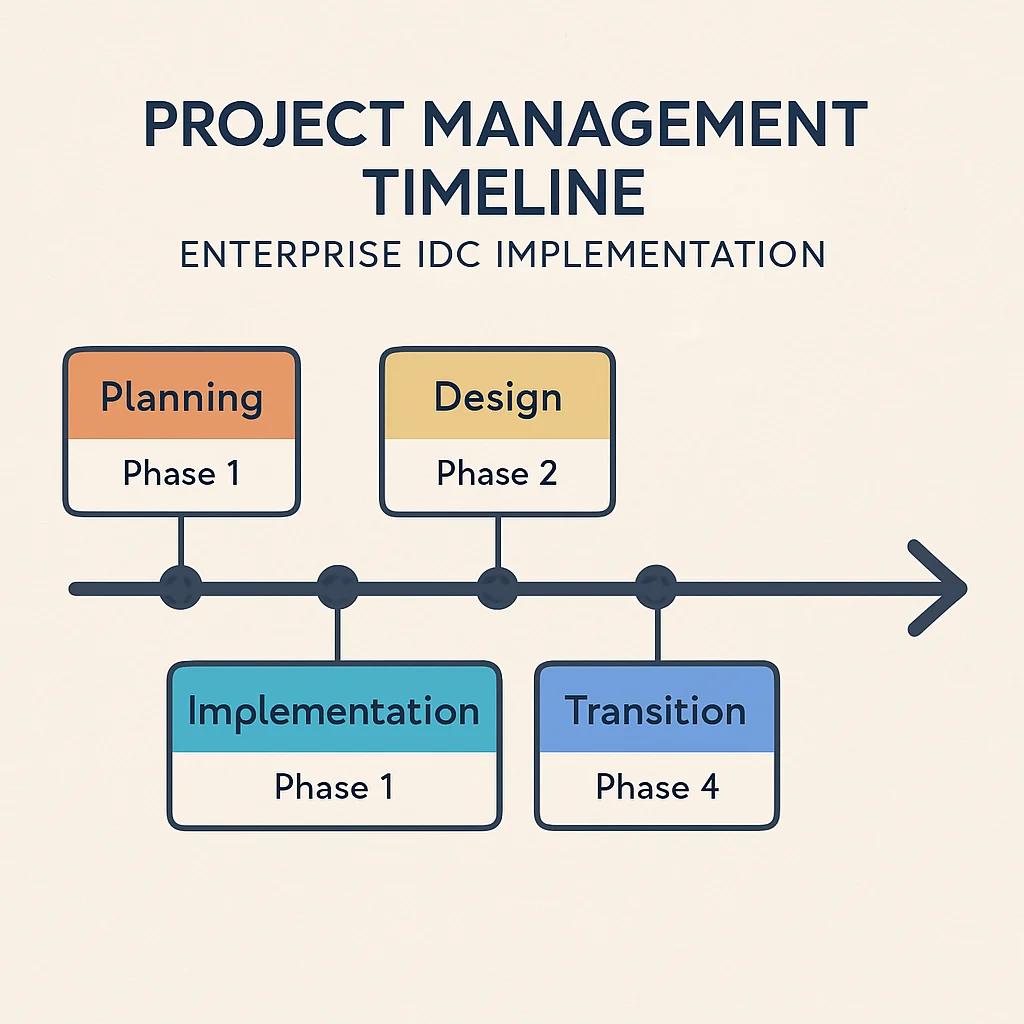
Chapter 5: Enterprise IDC Implementation Roadmap
Successfully deploying intelligent data capture requires strategic approach across five phases.
Phase 1: Needs Assessment and Use Case Prioritization
Do not automate every document at once. Identify processes suffering from highest document volume, greatest manual effort, and highest error rates.
Accounts Payable, HR onboarding, and customer claims processing are traditionally excellent starting points. Map current manual workflows step-by-step to establish baseline ROI calculations.
Phase 2: Selecting the Best Intelligent Data Capture Software for Enterprises
When evaluating solutions, look for:
- Pre-trained AI Models: Out-of-the-box understanding of common business documents (invoices, receipts, identity documents)?
- Ease of Use: Can business users (not just developers) train the system through intuitive interfaces?
- Integration Capabilities: Robust APIs and pre-built connectors for specific tech stacks?
Phase 3: Prioritizing Data Security in Automated Capture Systems
Enterprises handle sensitive information-PII, Protected Health Information, proprietary financial data. Data security in automated capture systems cannot be an afterthought.
Ensure vendors offer:
- End-to-end encryption (data at rest and in transit).
- Role-based access controls ensuring authorized viewing only.
- Compliance certifications (SOC 2, GDPR, HIPAA).
- Data redaction features automatically obscuring sensitive information.
Phase 4: Integrating Automated Capture with Legacy Systems
A data capture system fails in isolation. Integrating automated capture with legacy systems is often deployment’s most complex aspect.
Two approaches exist:
- API Integration: The modern, preferred method where IDC software communicates directly with modern SaaS databases.
- RPA Integration: For legacy systems lacking APIs, Robotic Process Automation bots use structured data to mimic keystrokes on legacy interfaces.
Phase 5: Pilot Testing and Machine Learning Training
Roll technology out to limited pilot groups. During this phase, systems encounter novel document formats. Train staff on Human-in-the-Loop interfaces to correct exceptions. Every human correction trains machine learning models, increasing system autonomy.
Chapter 6: Scaling and Measuring Success
Designing Scalable Data Capture Solutions for Large Organizations
As rollout expands globally, document volumes spike dramatically during fiscal quarter ends or holidays. Scalable data capture solutions for large organizations are cloud-native. Cloud infrastructure automatically spins up computing resources during peaks and scales down during quiet periods for cost savings.
Scalable solutions enable deploying centralized “Centers of Excellence” governing how departments build workflows, ensuring best practices and security remain consistent.
Calculating the ROI of Intelligent Document Processing
To justify expansion, prove value to leadership. The ROI of intelligent document processing spans three dimensions:
- Hard Cost Savings (FTE Reallocation): Calculate hours spent on manual data entry multiplied by loaded hourly rates. Compare to software licensing costs. (Note: Most enterprises reallocate rather than reduce staff.)
- Error Remediation Savings: Calculate past data entry error costs (compliance fines, overpayments, lost customers) multiplied by error rate reductions.
- Process Acceleration Value: Calculate revenue gained by processing orders 80% faster, or vendor discounts captured through rapid invoice processing.
Key KPI Tracker:
- STP Rate: Percentage of documents processed end-to-end without human intervention.
- Average Processing Time: Duration from ingestion to delivery.
- Cost per Document: Total system cost divided by volume.
Chapter 7: Actionable Tips for Enterprise Success
- Address Change Management: Communicate that automation removes tedious tasks, empowering staff for meaningful work rather than replacing them.
- Optimize Source Documents: Redesign difficult-to-read internal forms. Small layout tweaks boost STP rates from 85% to 98%.
- Establish Feedback Loops: Schedule monthly reviews with Human-in-the-Loop operators. Their insights identify recurring vendor errors and system improvements.
Conclusion
The era of manual document processing ends rapidly. Transitioning to modern automation is imperative for competitive, agile, secure enterprises.
By understanding how intelligent data capture works, prioritizing seamless legacy system integration, and focusing on continuous machine learning improvements, organizations transform unstructured documents from operational burden into strategic advantage.
Embrace the technology, empower workforces, and unlock intelligence hidden within enterprise data.