



Complete Enterprise Guide to Cloud-Based Enterprise Content Management
What is Cloud ECM?
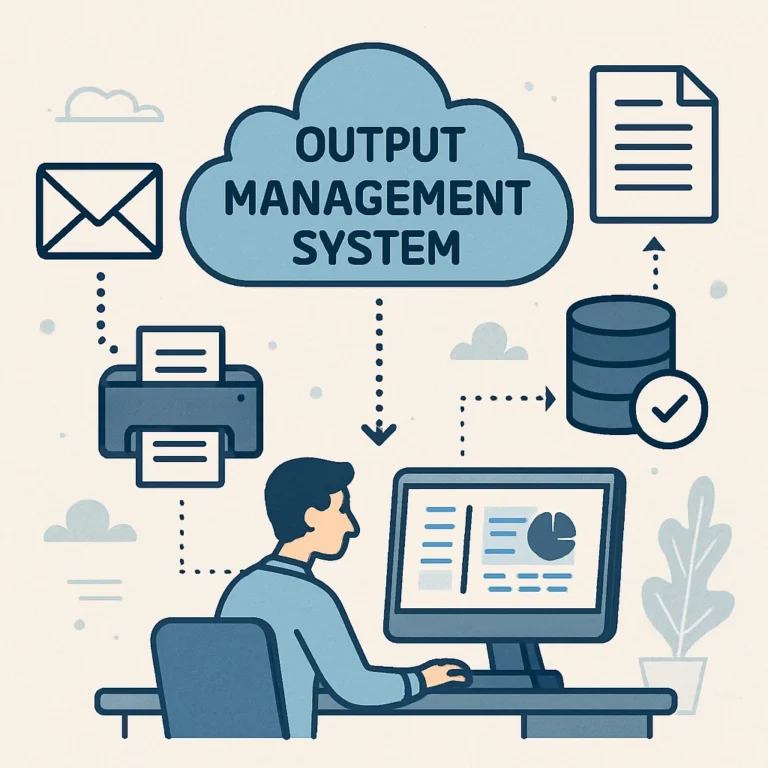
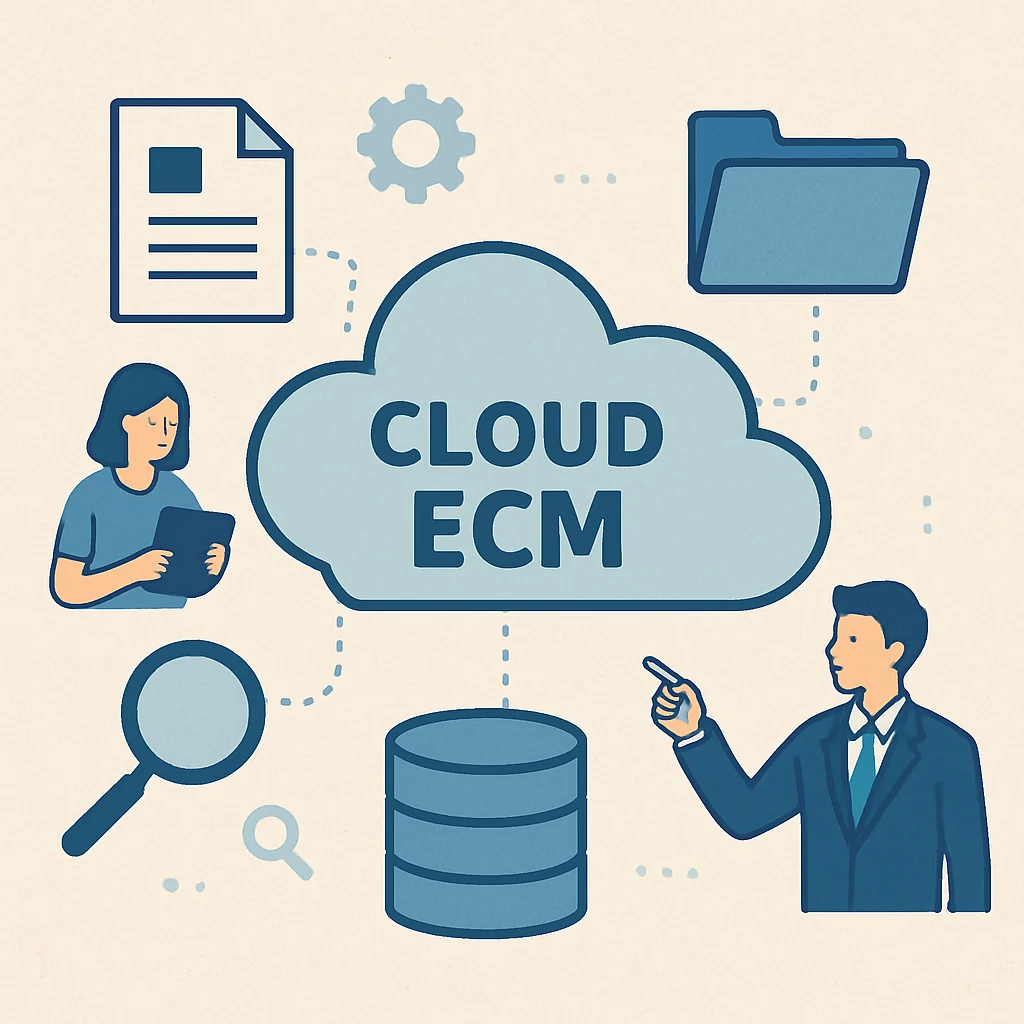
Cloud-based Enterprise Content Management (ECM) transforms how businesses handle information. It combines cloud storage with enterprise content management to streamline operations, offering scalable solutions that grow with your business.

Core components of Cloud ECM include:
- Cloud storage for data accessibility.
- Workflow automation to streamline processes.
- Security measures such as encryption and access controls.
Key Benefits of Cloud-Based Enterprise Content Management
Cloud ECM brings numerous benefits to enterprises, enhancing operational efficiency and reducing costs. By leveraging cloud storage, businesses cut expenses linked to physical storage and server maintenance.

Key benefits include:
- Scalability to match business growth.
- Cost savings on storage and infrastructure.
- Real-time collaboration capabilities.
- Improved accessibility to data and documents.
Cloud ECM vs. Traditional ECM: A Comparative Overview
Cloud ECM offers flexibility and remote access. Traditional ECM requires in-house servers and infrastructure, limiting scalability. Cloud ECM is subscription-based, allowing predictable budgeting and updates.
- Scalability: Cloud ECM scales easily with the cloud.
- Cost model: Cloud ECM is typically subscription-based.
- Access: Cloud ECM offers remote access.
- Infrastructure: Traditional ECM requires in-house servers.
Core Features of Cloud ECM Solutions
Cloud ECM solutions offer several standout features that enhance business operations:
- Scalability: Adapts with business growth.
- Collaboration: Real-time, remote team work.
- Security: Strong data protection features.
- Compliance: Adherence to regulations.
Security, Compliance, and Data Protection in Cloud ECM
Security is paramount in Cloud ECM systems. These solutions offer robust encryption to safeguard sensitive data, ensuring compliance with GDPR and HIPAA. Data protection features also include regular audits and monitoring to detect and address potential security breaches promptly.
Implementation Best Practices for Enterprises
Implementing Cloud ECM successfully requires strategic planning. Key best practices include:
- Needs Assessment: Identify organizational goals and challenges.
- Phased Implementation: Break the process into manageable phases.
- User Training: Ensure comprehensive training for staff.
- Vendor Collaboration: Partner with experienced solution providers.
Integrating Cloud ECM with Existing Enterprise Systems
Seamless integration with existing enterprise systems is essential for operational continuity. Use APIs to ensure smooth data exchange between Cloud ECM and other software like ERP and CRM systems.
Real-World Use Cases and Industry Applications
- Healthcare: Secure patient data management under HIPAA compliance.
- Finance: Streamlined audits and regulatory compliance.
- Manufacturing: Enhanced supply chain efficiency with real-time document access.
- Education: Improved access to course materials and administrative documents.
Overcoming Common Challenges in Cloud ECM Adoption
- Data Migration: Implement secure, phased migration processes.
- User Adoption: Offer comprehensive training and ongoing support.
- Security Concerns: Ensure robust security measures and provider compliance.
Future Trends: AI, Automation, and the Evolution of Cloud ECM
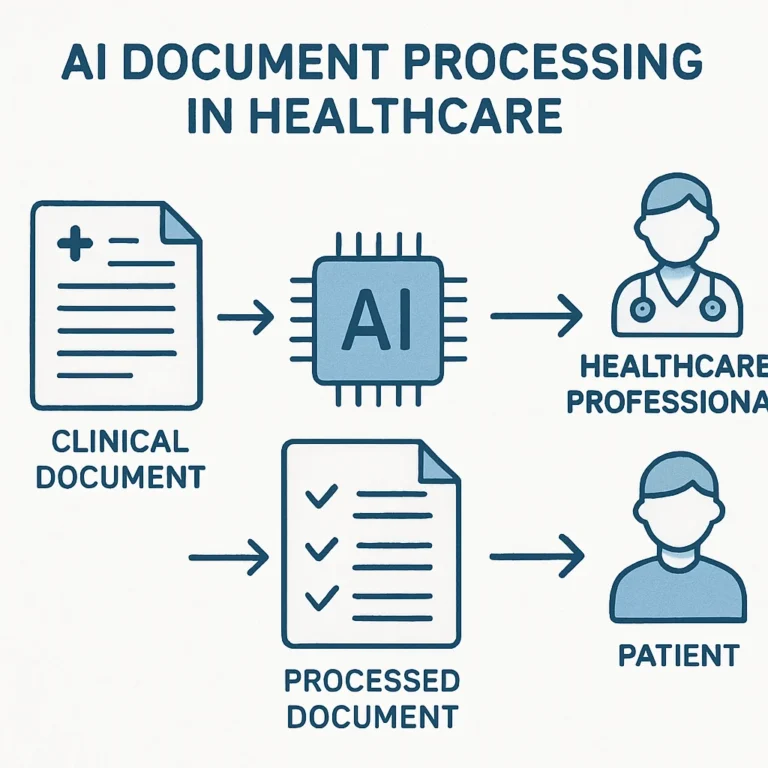
AI and automation are revolutionizing cloud content management. Key future trends include:
- AI Integration: Improved content categorization and intelligent retrieval.
- Automation: Streamlined workflows, approvals, and document routing.
- Predictive Analytics: Data-driven decision-making from content usage patterns.
Conclusion: Maximizing Value from Cloud ECM
Maximizing the value of Cloud ECM requires strategic implementation and continuous optimization. By embracing best practices, businesses can harness its full potential, enhancing productivity and collaboration. Investing in a future-ready ECM strategy enables organizations to remain agile, supporting long-term growth and success in a dynamic digital landscape.
Why Enterprises Are Migrating to Cloud-Based ECM in 2024
The global enterprise content management market is projected to exceed $66.9 billion by 2028, with cloud-based deployments accounting for the majority of new investments. Organizations moving from on-premises ECM systems report an average 42% reduction in infrastructure and support costs within 18 months of migration, according to Gartner’s Content Services Platform research.
Traditional on-premises ECM deployments carry significant total cost of ownership: server hardware, licensed software, dedicated DBA and system administration staff, upgrade projects every 3-5 years, and the hidden cost of business downtime during major version migrations. Cloud-native platforms eliminate these friction points with continuous delivery models, elastic scaling, and infrastructure managed by the vendor.
Essential Features of a Modern Cloud ECM Platform
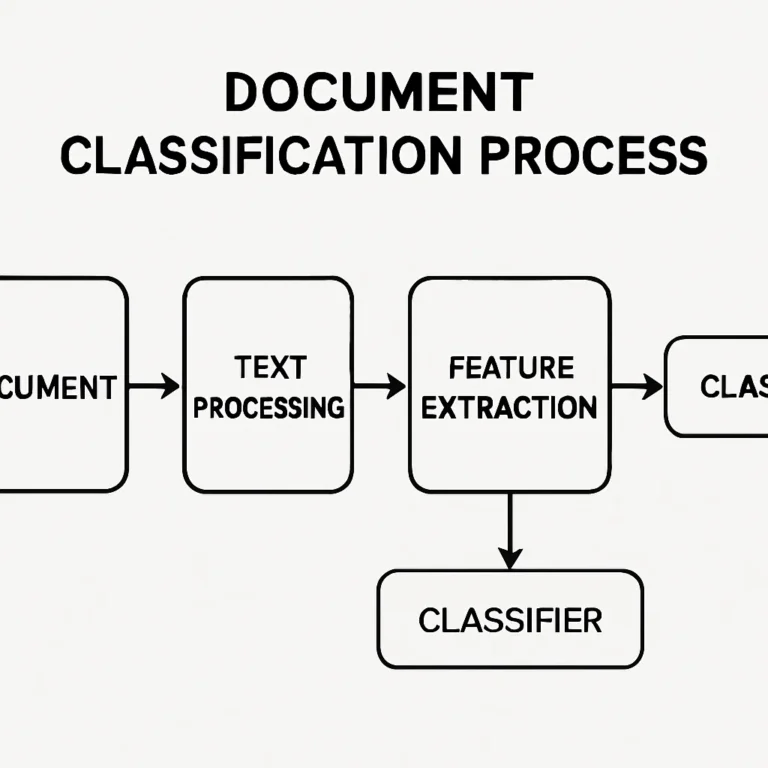
- AI-powered document classification – Machine learning models automatically tag, route, and extract metadata from incoming documents, eliminating manual data entry and reducing misfiles.
- Full-text search with natural language processing – Users query the document repository in plain English; the system searches across file names, metadata, and OCR-extracted text from scanned documents.
- Role-based access control (RBAC) – Granular permissions aligned with organizational hierarchy, data classification policies, and regulatory requirements.
- Automated retention and disposal – Rules-based document lifecycle management that enforces legal hold schedules, regulatory archiving periods, and disposal approvals aligned with ISO 15489 records management standards.
- Audit trails and tamper-evident logs – Every access, edit, share, and deletion action recorded with timestamp and user identity for compliance and forensic purposes.
- Integration APIs – REST APIs and pre-built connectors for Microsoft 365, Salesforce, SAP, Oracle, and major RPA/BPA platforms.
Cloud ECM Implementation: Critical Success Factors
Successful cloud ECM deployments share three common disciplines: rigorous data migration planning, structured user adoption programs, and governance frameworks designed before go-live.
Data migration is consistently the highest-risk phase. Organizations must audit legacy document repositories to identify sensitive data, apply retention decisions to historical content, and execute migrations without disrupting business operations. A phased migration approach – starting with a single department or document type – reduces risk and builds institutional confidence.
User adoption is the single greatest determinant of ROI. Deploying a cloud ECM platform that employees route around by continuing to save files to network drives or email attachments delivers no business value. Adoption programs should focus on reducing friction: integrating the ECM into tools employees already use, automating workflows that previously required manual steps, and demonstrating immediate personal productivity gains.
Governance defines the long-term value of the deployment. Document classification taxonomies, metadata standards, naming conventions, and ownership policies must be agreed upon and documented before the platform is populated. Retrofitting governance onto an existing, unstructured repository is exponentially harder than building it in from day one.
Hybrid ECM: When Full Cloud Is Not the Right Answer
For organizations in highly regulated industries – financial services, government, defense, and healthcare – data residency and sovereignty requirements may constrain cloud ECM options. Hybrid deployment architectures, where sensitive documents remain on-premises or in dedicated private cloud environments while general business content is managed in a public cloud ECM, provide a practical path forward for these organizations. Most enterprise ECM vendors now support hybrid topologies natively.
Measuring Cloud ECM ROI
Key performance indicators for cloud ECM deployments include: document retrieval time reduction (industry benchmark: 75% faster than manual systems), cost per document processed, compliance incident rate, and user adoption rate measured at 30/60/90 days post-launch. Organizations should establish baselines before migration and track these metrics quarterly to validate business case assumptions and identify areas for optimization.
Further Reading & Authoritative Sources
The following organizations and industry analysts provide authoritative guidance on the topics covered in this article:
- AIIM – What is Enterprise Content Management?
- Gartner – Content Services Platforms Market Guide
- NIST Cloud Computing Program
Next steps: Align your strategy with cloud architecture and scalability, document and content management, and deployment pricing.
Further Reading: